
Pest Control



Inspection
The foundation of effective pest control is a schedule of regular inspections conducted to verify the effectiveness of the program. Routine inspections are carried out to focus on areas where pests are likely to invade as well as identify any potential entry points, food and/or water sources, or zones that could possibly encourage pest infiltration.
Prevention
Structural maintenance is performed to close potential entry points identified during routine inspections. We have installed double-door entrances at all access points to the facility (generally an ‘L’-shaped structured. Also, packing materials, raw materials and even all the personnel pass through an air shower to ensure a pest- and dust-free environment.In addition to this, glue-based fly-catchers (non-electrocution type), rodent boxes, bird deterrents, etc., are installed at strategic points to contain pests before they gain access to the facility.

Identification
Our Pest Control Service Provider’s well-trained staff visit our facility to inspect and audit the effectiveness of the pest control program in place. They carry out the necessary changes, evaluate the measures and identify potential pests, and monitor pest activity, if any.
Analysis
As pests proliferate in conducive conditions, regular analysis is done to identify the pests as well as develop the appropriate countermeasures.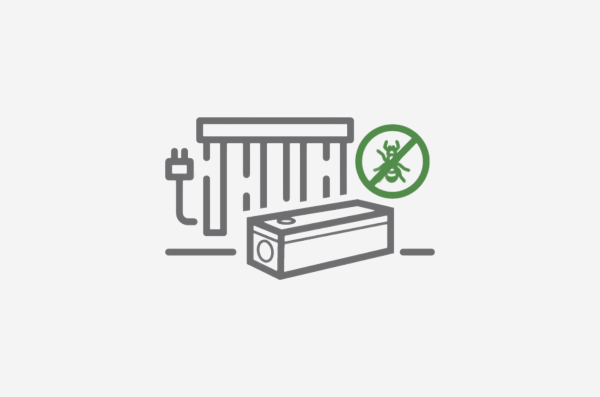
Treatment
Rodent baits and fly-catchers (glue-based) are installed at strategic locations. Being a food processing facility, this chemical-free options and non-hazardous equipment help negate the risk of cross-contamination in the case of chemical substances and threats of burning hazards and/or other accidents from the electrocution-type fly-catchers.
Monitoring
Constant monitoring at the facility and staff awareness programs are routinely conducted. In addition, trend analyses are carried out at regular intervals to check the effectiveness of the pest management services as well as to identify any problems/gaps.
Documentation
Pest control documentation is maintained to validate and verify the actual initiatives undertaken. Some of the important documents thus maintained include pest activity reports, service reports, corrective action reports, and trap installation maps.
© A.Tosh Ishimitsu Beverages India Private Limited. All Rights Reserved.
© A.Tosh Ishimitsu Beverages India Private Limited
All Rights Reserved.